
All Blogs old
Explore the many facets of men’s wellness - both mind and body - with practices and experiences from around the world.
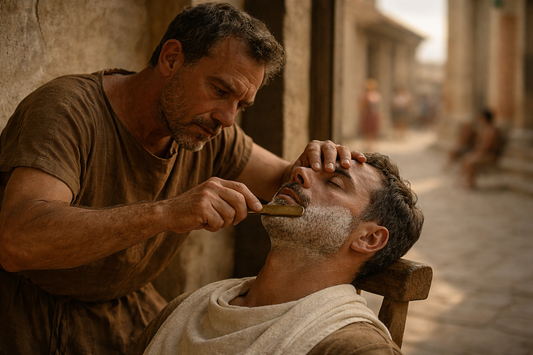
Roman barbershops were lively social hubs. The tonsor shaved, trimmed and swapped news. Here’s how Roman barber culture worked and what tools they used.
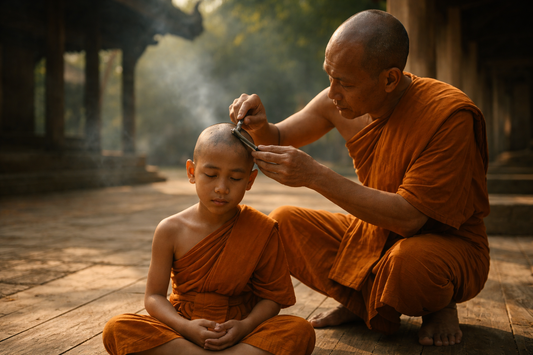
Shaving the head in Buddhist monastic life isn’t just about looks. It symbolises renunciation, focus and discipline. For barbers, it’s a reminder that a clean shave can carry deeper meaning...
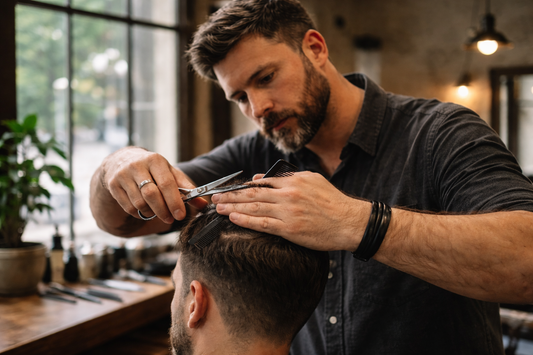
The Cut of a Man, or Basha Miao, is about more than hair. It’s a cultural idea of masculinity shaped by history, craft, and place. Modern barbers can take inspiration...
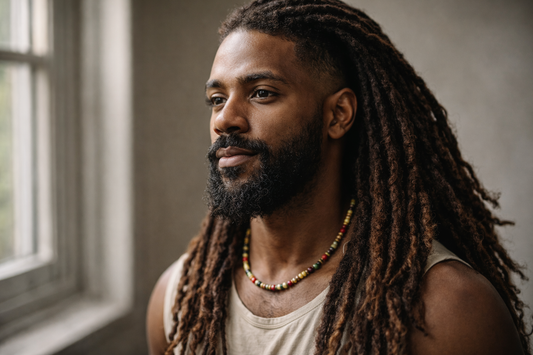
The Rastafari beard and locks aren’t a style trend. They’re a sacred expression of faith, identity, and resistance that still influences modern barbering today, from London fades to Berlin freeform...
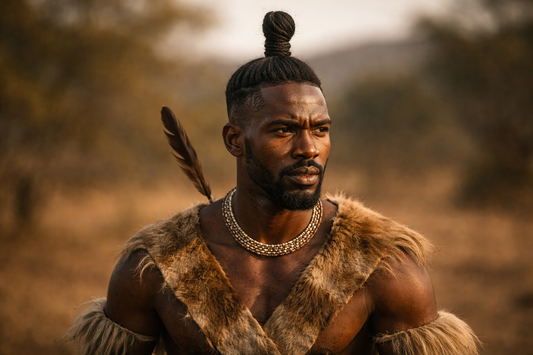
Zulu men's warrior styles, in particular the Zulu knot, have long been the embodiment of tribe, strength and transition. Today, classic styles continue to shape men's grooming and inspire contemporary...
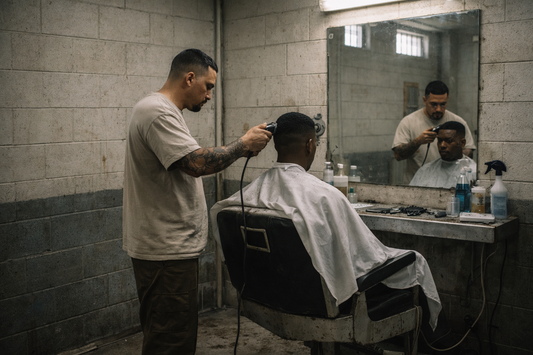
A look inside prison barbershops. Why prison barbers matter, how cuts work behind bars, what tools are used, and what today’s barbers can learn from it all.
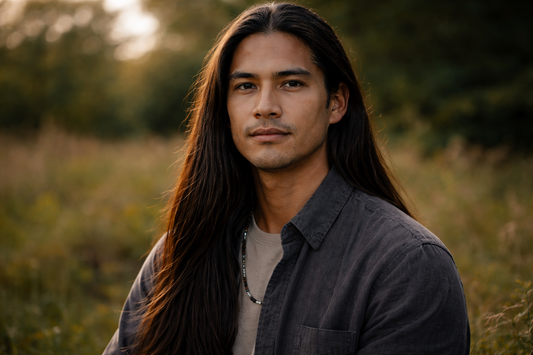
Native American hair meaning goes well beyond style. For many tribes, hair holds spiritual, cultural, and personal significance. Understanding this history helps modern barbers show respect while creating thoughtful, contemporary...
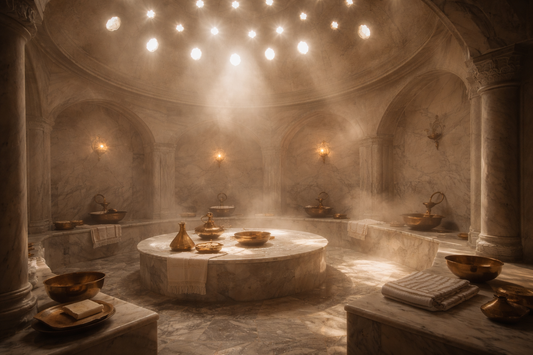
Ottoman hammam ceremonies merged ritual, skill and fellowship to define modern grooming by Turkish barbers. The manner in which they cared and sculpted mirrors the way men are groomed and...
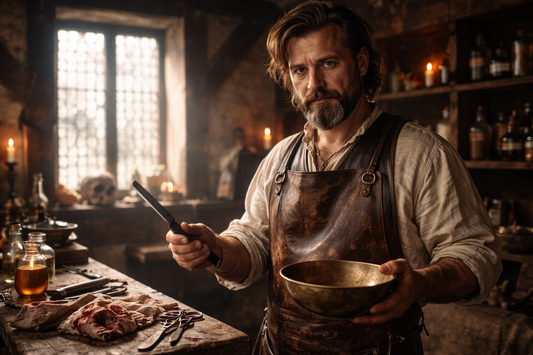
Medieval barber-surgeons were the original multitaskers. They cut hair, pulled teeth, stitched wounds and quietly shaped traditions that still echo in barbershops today, from London to Mumbai to Berlin.
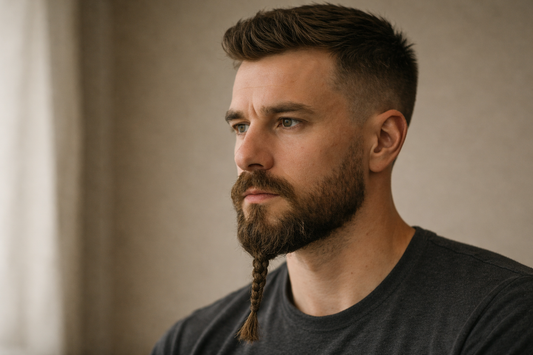
Viking beards and braids were practical kit and social signaling, not just TV drama. Combs, tweezers and strong soap kept things tidy, styles varied by role and region, and those...
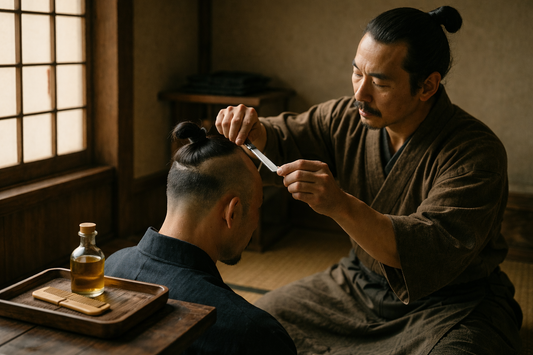
A relaxed, well sourced look at the samurai topknot and shave, why it mattered in Edo Japan, how the Meiji era changed everything, and what modern barbers can borrow for...
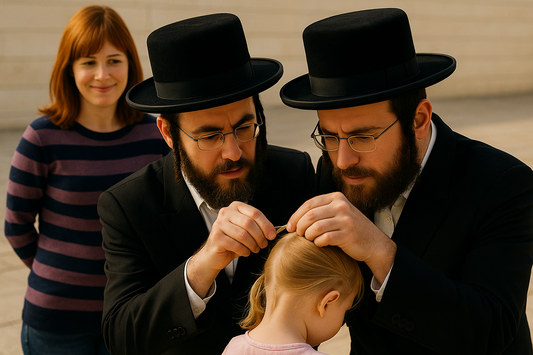
The Upsherin, a Jewish ritual marking a child’s first haircut at age three, is a powerful symbol of growth, learning, and spiritual awakening. Rooted in biblical teachings and rich in...
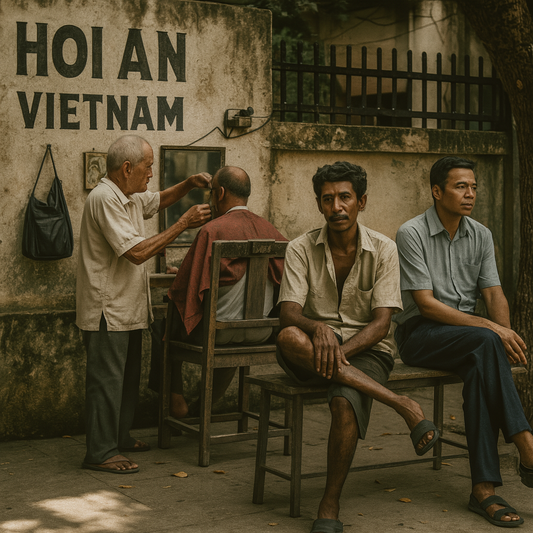
In Hanoi, Vietnam, street barbers are a beloved and familiar part of daily life. Many of them, often retired military men, set up shop along busy sidewalks—cutting hair not just...
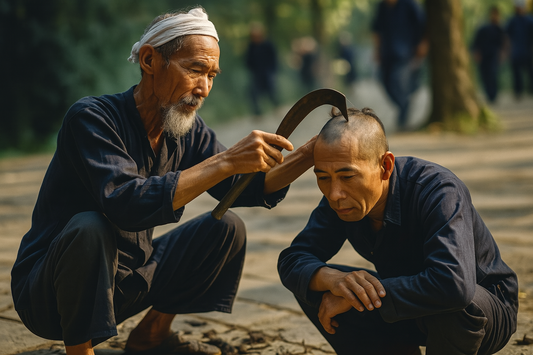
The tribe leader wets a sickle with water that was used to boil eggs, then begins to shave off all of the boy’s hair, leaving only the central section untouched....
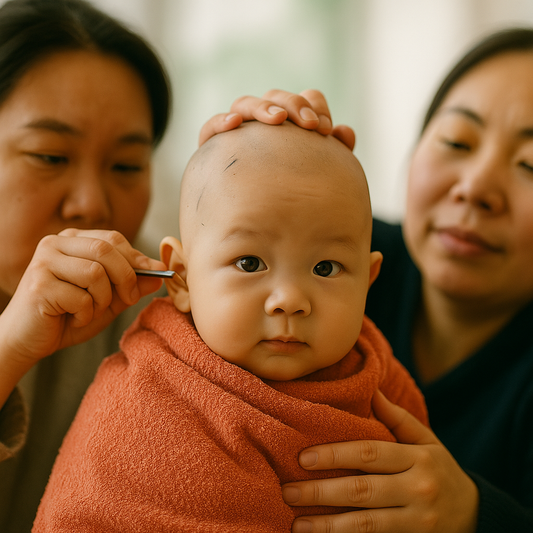
The baby’s hair is typically trimmed by a family member, then shaved, and the cut hair is tied with red ribbon or string and kept as a cherished keepsake. While...
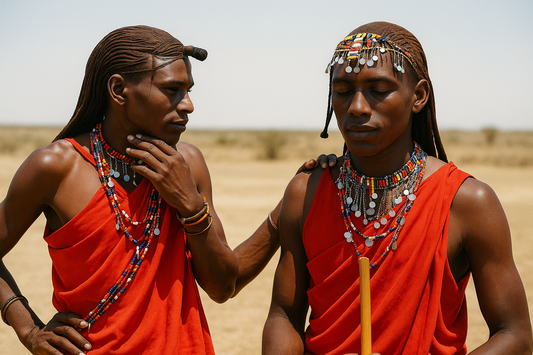
They are the only group permitted to wear their hair long, as Masai women traditionally shave their heads. This distinction is a source of great pride, and the men dedicate...
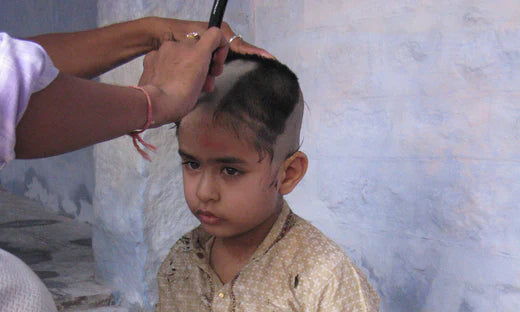
For many, a haircut or shave is simply a way to unwind—an indulgence after a long week or a way to look sharp for a special occasion. But in Hinduism,...
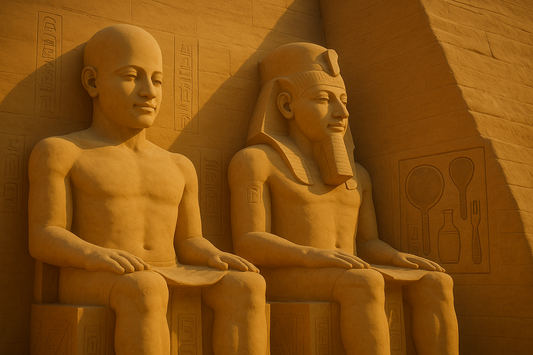
Just like today, fashion evolved over time in Ancient Egypt. The once-popular thick and hairy look soon fell out of favor among the aristocracy, who began to embrace a smooth,...

The spiritual dimension of this custom is deeply rooted in the Polynesian belief in Mana — a powerful spiritual energy believed to reside within all living things. Hair, in particular,...
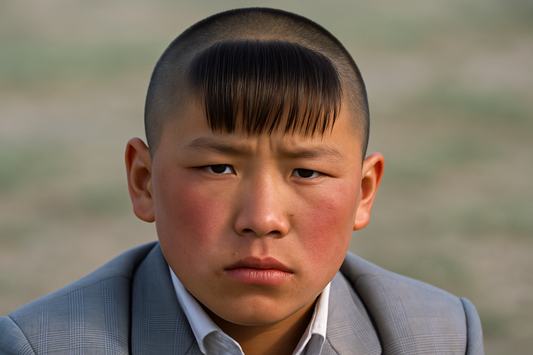
Each family member or friend takes a turn cutting a small lock of the child’s hair, then offers a gift—typically a toy or some money—along with a heartfelt blessing, often...
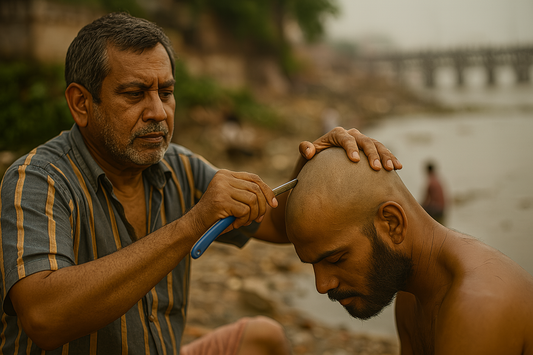
Here, the eldest son or a close male family member has his head shaved — a symbolic act of mourning, respect for the deceased, and a gesture of humility. It...